
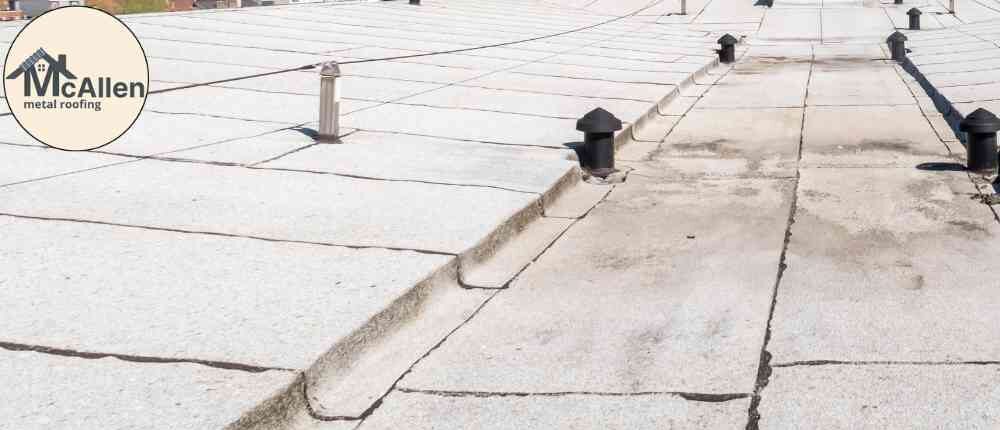
Investing in a commercial roof is more than a construction decision it safeguards your business, employees, and assets. Regular inspections, preventative maintenance, and timely repairs extend roof life and prevent costly emergencies. Understanding materials, drainage systems, and high-risk areas ensures long-term protection. By implementing a structured maintenance program, property owners can reduce repair costs, maintain energy efficiency, and avoid unexpected downtime.
Proactive planning also strengthens warranties and gives peace of mind. From flat membrane roofs to metal systems, commercial roofs face unique challenges that require professional oversight and seasonal attention. This guide shares essential tips, practical strategies, and checklists to help business owners maintain their roofs effectively and maximize their investment over decades of service.
Proactive Strategies to Maximize Roof Longevity
A commercial roof protects your building, assets, and operations. Ignoring it leads to leaks, premature wear, and costly repairs. Implementing proactive maintenance including inspections, sealing, and seasonal care extends roof life, preserves warranties, and ensures predictable budgets while preventing minor issues from becoming major emergencies.
Conduct Comprehensive Inspections
Regular inspections are crucial for early problem detection. Assess roof membranes, seams, flashings, drains, and high-traffic zones at least twice a year and after severe weather. Document findings carefully to track trends, identify potential risks, and maintain warranty compliance. Consistent inspections prevent small issues from escalating into costly repairs.
Focus on Critical Vulnerabilities
Leaks typically begin at penetrations, skylights, and HVAC curbs. Inspect these areas frequently, reseal pitch pockets, and reinforce flashings. Targeted attention prevents water intrusion and structural damage. Proactively maintaining these vulnerable points saves money, reduces downtime, and preserves roof integrity, ensuring your commercial roof performs reliably year-round.
Adapt to Seasonal Impacts
Weather stresses vary by season. UV exposure shrinks membranes, freeze-thaw cycles can damage seams, and debris accumulation blocks drainage. Following a seasonal maintenance checklist helps prepare roofs for summer heat, winter storms, and spring thaw, ensuring optimal performance and reducing costly emergency repairs caused by predictable weather-related wear.
Core Maintenance Tasks
- Debris Removal: Leaves, branches, and dirt trap moisture and promote membrane deterioration. Clear rooftop surfaces quarterly or after storms.
- Drainage Maintenance: Inspect gutters, downspouts, and scuppers monthly. Remove blockages and repair sagging or misaligned systems to prevent ponding.
- Seal Penetrations: Maintain flashings, joints, and roof penetrations. Apply weather-resistant sealants and replace damaged components to stop leaks before they start.
- Membrane Care: Inspect for blisters, cracks, and ridges. Repair minor damage promptly to prevent water intrusion and preserve energy efficiency.
- Protective Coatings: Apply reflective or silicone coatings to extend membrane life, improve UV resistance, and reduce cooling costs.
- Foot Traffic Management: Reinforce high-traffic zones with walkways and pads to prevent punctures and membrane erosion.
- Documentation: Record all inspections, repairs, and coating applications. Photo logs and digital records protect warranties and aid in planning future maintenance.
Choosing the Right Materials
Selecting the proper roofing system is critical for performance and longevity. Flat and low-slope systems include EPDM, TPO, PVC, and built-up membranes, lasting 20–30 years with maintenance. Metal roofs offer durability up to 70 years and excellent weather resistance. Material choice should consider rooftop traffic, climate exposure, drainage, and energy efficiency goals.
Quality materials combined with professional installation reduce premature failure risks. Investing upfront prevents frequent repairs and contributes to predictable long-term costs. Choosing reflective or coated membranes also reduces heat absorption, extending roof life while lowering energy expenses.
Structuring a Maintenance Program
A comprehensive maintenance program defines inspection schedules, minor repairs, and cleaning protocols. Clearly specify the scope of work, including debris removal, sealing pitch pockets, and drain clearing. Include seasonal assessments: fall for leaf debris, winter for ice dams, spring for thaw damage, and summer for UV inspection. Digital logs or dashboards track work and help forecast replacement timelines. Regular coordination with certified professionals ensures warranty compliance and reduces liability risk.
Key Elements of a Maintenance Program
- Biannual professional inspections with documented reports.
- Seasonal roof cleaning and drain maintenance.
- Preventative sealing of flashings and penetrations.
- Reinforcement of walkways and high-traffic zones.
- Budget allocation for minor repairs and coating renewal.
Seasonal Roof Care
Effective roof maintenance follows the weather.
| Season | Primary Risk | Key Action |
|---|---|---|
| Fall | Debris & Clogs | Clean drains and clear leaves. |
| Winter | Freeze & Ice | Remove snow and check ice dams. |
| Spring | Thaw Damage | Inspect flashings, seams, and coping. |
| Summer | UV & Heat | Repair sealants, pitch pans, and reflective coatings. |
Seasonal preparation prevents emergency leaks, reduces energy costs, and prolongs roof life. Timely action ensures high-risk areas are addressed before damage occurs.
FAQs
How often should commercial roofs be inspected?
Commercial roofs should undergo professional inspections at least twice a year, typically in spring and fall, to detect early signs of damage. Additional inspections are recommended after major weather events such as storms or heavy winds. Consistent inspections help prevent costly repairs and maintain the roof’s longevity and warranty compliance.
What are the most common causes of commercial roof leaks?
Most commercial roof leaks originate at penetrations and flashings, accounting for about 90% of cases. Other common causes include clogged drains, ponding water, cracks or tears in the membrane, and damaged seams. Early detection and targeted maintenance prevent these issues from escalating into structural damage and expensive repairs.
Can reflective coatings improve roof energy efficiency?
Yes, reflective roof coatings enhance energy efficiency by reducing heat absorption and lowering cooling costs. They also protect roofing membranes from UV degradation, slowing shrinkage and extending roof life. Properly applied coatings contribute to a more comfortable interior environment and can provide measurable savings on energy bills over time.
What maintenance tasks protect warranties?
To preserve manufacturer warranty coverage, perform regular inspections, document all repairs, and use certified contractors for maintenance and repairs. Proper recordkeeping ensures warranty compliance, demonstrates proactive care, and reduces liability. Neglecting these tasks can void warranties and lead to uncovered repair costs, undermining the investment in your commercial roof.
Final Thoughts
Commercial roof maintenance is a strategic investment, not an optional task. Preventative care, high-quality materials, and seasonal attention significantly extend roof life, reduce emergency repair costs, and protect your business assets. A structured program ensures consistent inspections, proactive repairs, and proper drainage management. Maintaining detailed records safeguards warranties and simplifies budgeting.
By combining professional oversight with internal monitoring, property managers can prevent leaks, preserve energy efficiency, and secure predictable operating expenses. Following these tips empowers businesses to maximize roof longevity, avoid costly surprises, and maintain a safe, efficient, and reliable building environment year-round.