
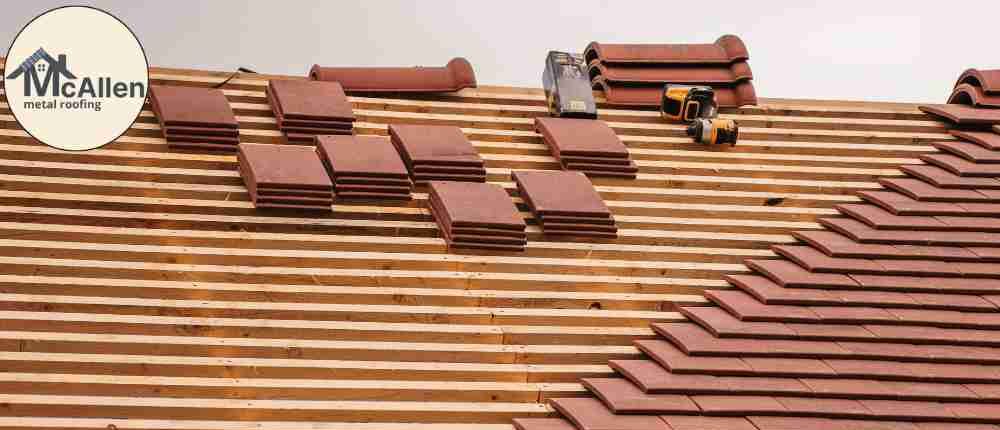
Clay tiles with the signature curved “S” shape have long been favored by homeowners seeking a blend of elegance and functionality. Renowned for their durability, fire resistance, and natural insulating properties, these tiles help keep homes cooler in summer and warmer in winter. Although they involve higher upfront costs and require adequate structural support due to their weight, properly maintained clay tile roofs can last over 50 years.
Beyond their practical benefits, their timeless aesthetic enhances curb appeal, making them a sought-after choice for residential properties in McAllen, TX. Selecting the right tiles, installation techniques, and maintenance plan ensures enduring performance while preserving a classic Mediterranean-inspired design.
The Benefits of Spanish Tile Roofs
Spanish tile roofs are prized for their elegant appearance and lasting durability. Their curved “S” shape promotes ventilation, reduces heat transfer, and allows individual tiles to be replaced if damaged. These eco-friendly clay tiles resist fire, endure weather, and create a timeless Mediterranean aesthetic.
Longevity and Durability
Spanish clay tiles can last between 50 and 100 years with proper installation and maintenance. Their natural strength allows them to withstand harsh weather conditions while retaining their color and form over time. Homeowners benefit from a roof that remains functional and visually appealing for decades.
Energy Efficiency
The unique curvature of Spanish tiles promotes airflow under the tiles, reducing heat absorption and helping maintain cooler indoor temperatures in summer. In colder months, the same ventilation helps regulate warmth, offering homeowners an energy-efficient roofing solution that can reduce reliance on heating and cooling systems.
Low Maintenance
Spanish tile roofs require minimal upkeep compared with other roofing materials. Occasional inspections for cracked, chipped, or displaced tiles are sufficient to maintain optimal performance. Their longevity and resistance to decay mean homeowners spend less time and money on roof repairs over the lifetime of the structure.
Fire and Weather Resistance
Clay Spanish tiles are naturally fire-resistant, helping protect homes from heat and flame hazards. They are engineered to endure extreme weather, including heavy rainfall, high winds, and hail. This durability provides homeowners with peace of mind, knowing their roof offers both safety and structural integrity.
Considerations Before Installing a Spanish Tile Roof
- Weight: Clay tiles are heavy and may require structural reinforcement to support the roof system.
- Cost: Installation and material costs are higher than asphalt or metal roofing.
- Installation Complexity: Proper installation requires experienced roofing contractors to ensure durability and performance.
- Climate Suitability: Ideal for warmer, drier climates; repeated freezing can damage tiles.
- Slope Requirements: Minimum roof slope of 4:12 is recommended for adequate water drainage.
- Repair Approach: Individual tiles allow targeted repairs, reducing the need to replace large roof sections.
- Aesthetic Options: A variety of colors and textures are available, from traditional terracotta to more patterned or dark tones, enhancing curb appeal and matching home styles.
Spanish Tile Roof Installation Process
Installing a Spanish tile roof involves careful planning and attention to detail. Tiles are placed individually and secured with fasteners or wires to ensure stability during wind or seismic events. Proper underlayment provides the primary waterproof barrier, while the clay tiles serve as protective and decorative elements.
Tiles are often staggered and color-blended to achieve a natural, handcrafted appearance, adding depth and visual interest. The first course of tiles at the eaves is crucial, as it sets the roof’s alignment and ensures proper drainage. Experienced roofers adjust for any irregularities in roof pitch, ensuring each tile is securely fastened and able to withstand weather over time. Properly installed, a Spanish tile roof can provide decades of low-maintenance, visually striking protection.
Popular Styles and Colors of Spanish Tile
Spanish tiles come in a wide variety of colors and textures:
- Traditional Terracotta: Warm, earthy tones that create a classic Mediterranean look.
- Patterned Tiles: Varied shades and textures for a textured, visually striking appearance.
- Darker Brown or Earth Tones: Adds contrast, but may absorb more heat.
- Specialty Colors: Green, blue, or muted black tones for custom design preferences.
Each style can be blended during installation to achieve a more authentic, “aged” appearance that increases perceived home value.
Alternative Roofing Options with Spanish Tile Look
For homeowners who want the appearance of Spanish tiles without the weight or maintenance, composite and metal roofing alternatives are available. Metal roofs can be shaped into barrel tiles, offering durability, fire resistance, and lower maintenance, though they may require replacing larger roof sections if damaged.
Composite tiles mimic the look of clay while remaining lightweight, easier to install, and capable of enduring impact and weather exposure. These alternatives provide similar aesthetics while addressing some of the limitations of traditional clay tiles, offering flexible options for McAllen homeowners seeking the Mediterranean charm without structural concerns.
Cost Considerations for Spanish Tile Roofs
Spanish tile roofs vary in cost depending on material, roof size, and installation complexity. Factors to consider:
| Cost Factor | Typical Range | Notes |
|---|---|---|
| Material | $10–$25 per sq. ft. | Clay tiles are expensive but long-lasting |
| Installation | $15–$30 per sq. ft. | Requires skilled labor |
| Structural Reinforcement | Varies | Needed for heavier clay tiles |
| Maintenance | Low (periodic inspections) | Minor repairs only as needed |
| Longevity | 50–100+ years | Outlasts most other roof materials |
FAQs
How long does a Spanish tile roof last?
With proper installation and regular maintenance, Spanish tile roofs can easily last between 50 and 100 years. Their durable clay composition withstands harsh weather, resists fire, and retains color over time, making them one of the longest-lasting roofing options available.
Are Spanish tile roofs suitable for all climates?
Spanish tile roofs perform best in warm, dry climates where freeze-thaw cycles and excessive moisture are minimal. In colder or highly wet areas, the clay may crack or break, so careful consideration of climate suitability is essential before installation.
What maintenance is required for Spanish tile roofs?
Maintenance is generally low but important for longevity. Homeowners should inspect their roofs at least once or twice a year, checking for cracks, loose tiles, and debris. Prompt repairs ensure the roof continues to perform efficiently and maintain its appearance.
Can a home support the weight of a Spanish tile roof?
Clay tiles are heavy, with one square weighing up to 1,250 pounds. Homes may need structural reinforcement, including roof decking and support beams, to safely carry this weight. A professional assessment is recommended to meet building codes and ensure safety.
Final Thoughts
Spanish tile roofs provide a timeless aesthetic and exceptional longevity for homeowners in McAllen, TX. While they are a heavier and more expensive roofing option, their fire resistance, durability, energy efficiency, and low maintenance make them a smart investment. Proper installation by experienced roofers ensures that each tile is securely fastened, color-blended, and staggered to achieve the authentic, handcrafted Mediterranean look.
For homeowners who value both beauty and long-term performance, Spanish tile roofs are an elegant choice that can enhance property value and provide decades of reliable protection. By weighing the pros, cons, and alternatives, you can make a confident decision that suits your home, budget, and climate.